Historical report — originally published November 12, 2026, at 09:19 (UTC+8). Dates and planned events below reflect what was reported at that time.
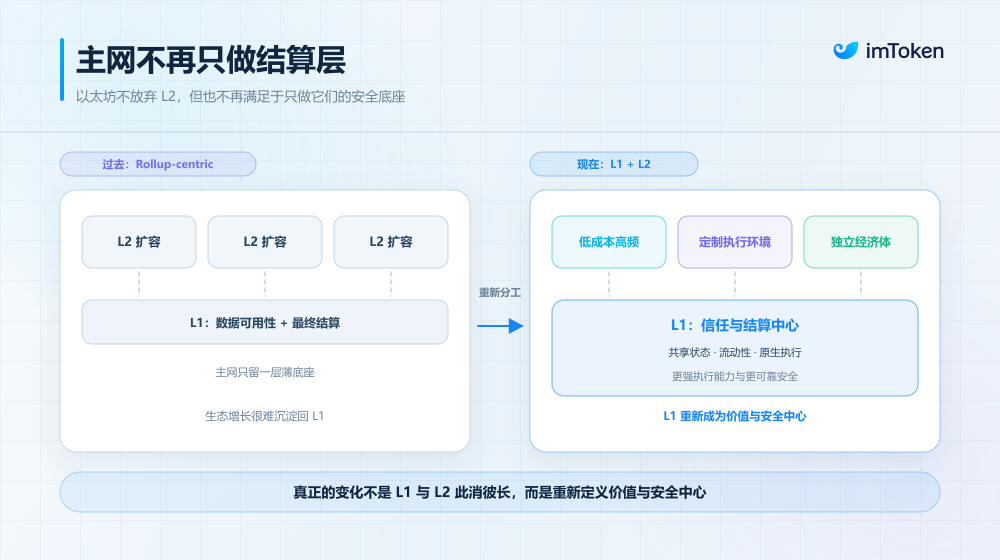
Several projects had reconsidered whether they needed a dedicated Ethereum layer 2 (L2). Their decisions did not amount to a general exit from L2s, but they raised a token-economics question: if scaling makes transactions cheaper, what happens to ETH’s fee burn?
Moves back to Ethereum L1
ENS Labs had planned a dedicated ZK rollup, Namechain, for ENSv2 in 2024. In February 2026, ENS co-founder Nick Johnson said development of Namechain would stop and ENSv2 would deploy on Ethereum’s mainnet instead. ENS Labs said the average gas cost of registering an ENS name had fallen by about 99% over the preceding year, from nearly $5 to under $0.05.
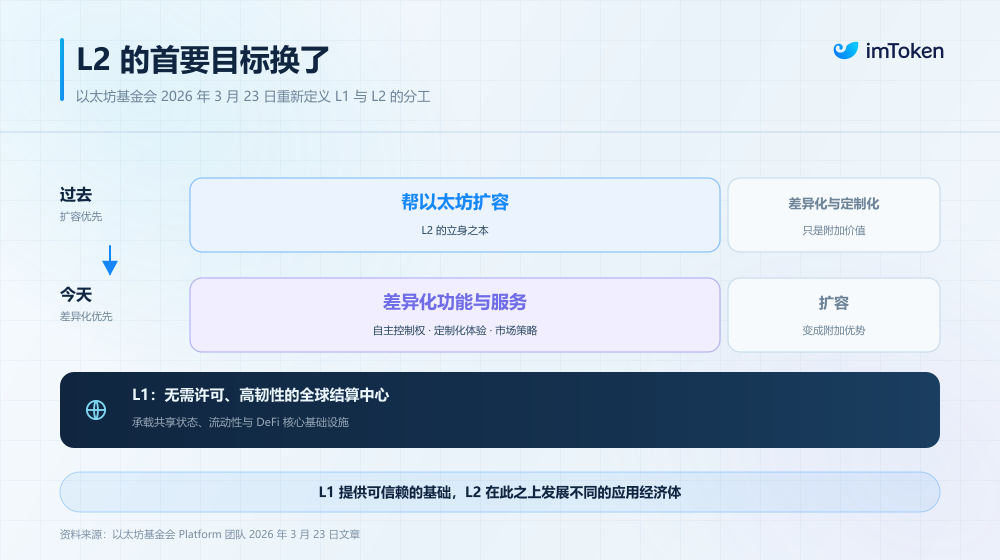
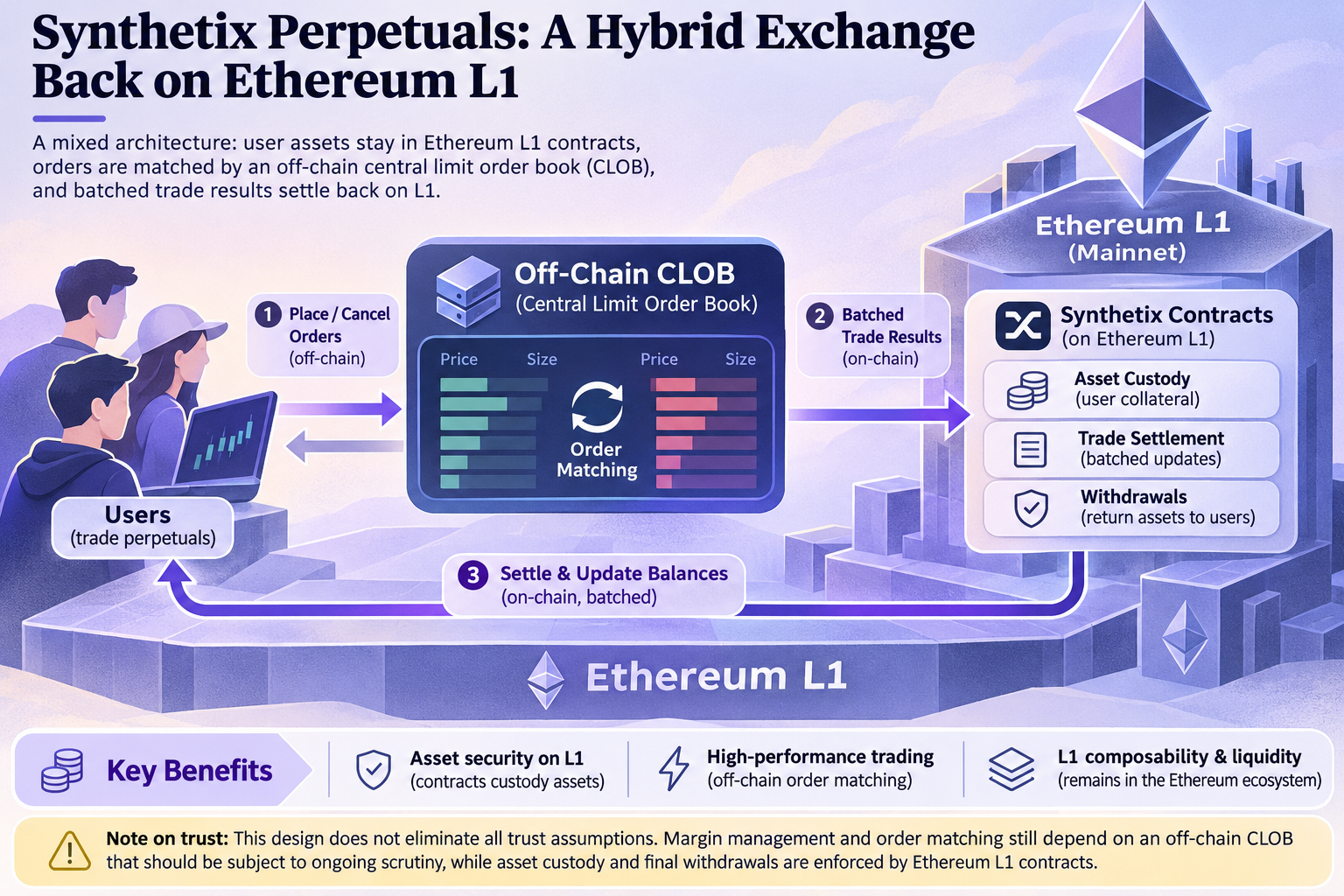
Synthetix published its critique of the L2 approach in June 2025 and launched its new perpetuals exchange on Ethereum mainnet that December. In 2026, Superseed stopped its L2 in August and planned to move core products to mainnet; Trueo announced a move of its primary deployment from Base to Ethereum L1 in September; ShapeShift moved its rFOX staking program from Arbitrum to mainnet on October 1; and Nillion began moving node operations from its L2 to mainnet in October while planning to phase out the L2.
The source also reported that Blast announced a wind-down on October 2, citing network costs that exceeded L2 revenue. Abstract had announced a plan to close its network on December 15, 2026. That date was still in the future when the article was published; the source does not establish that the closure took place.
The ETH supply mechanism at issue
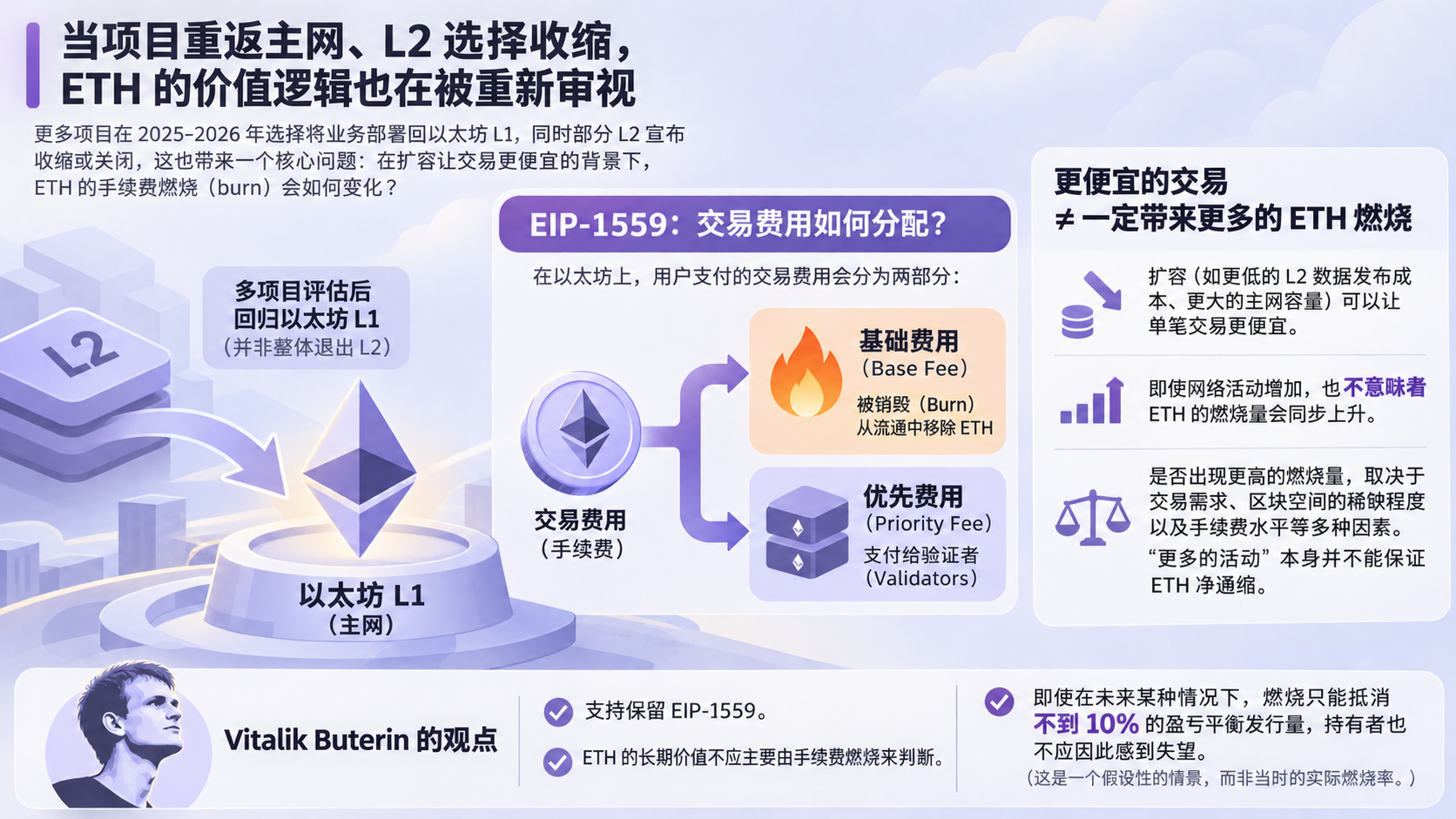
Under EIP-1559, Ethereum burns the base fee paid for transactions, while the priority fee goes to validators. Higher demand for scarce block space can therefore increase ETH burned. But cheaper L2 data posting and greater mainnet capacity can lower the cost per transaction. More activity does not, by itself, guarantee more burning or net ETH deflation.
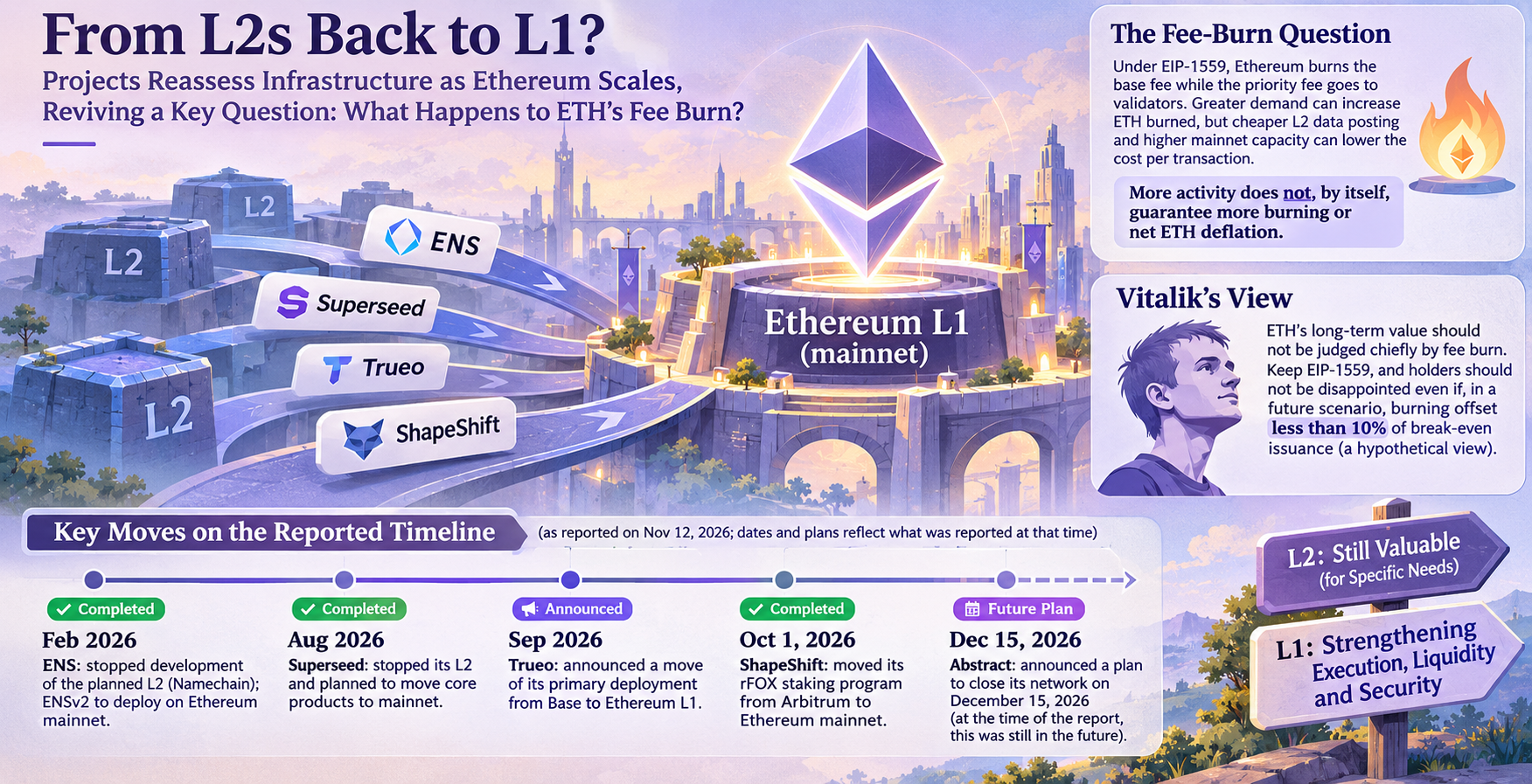
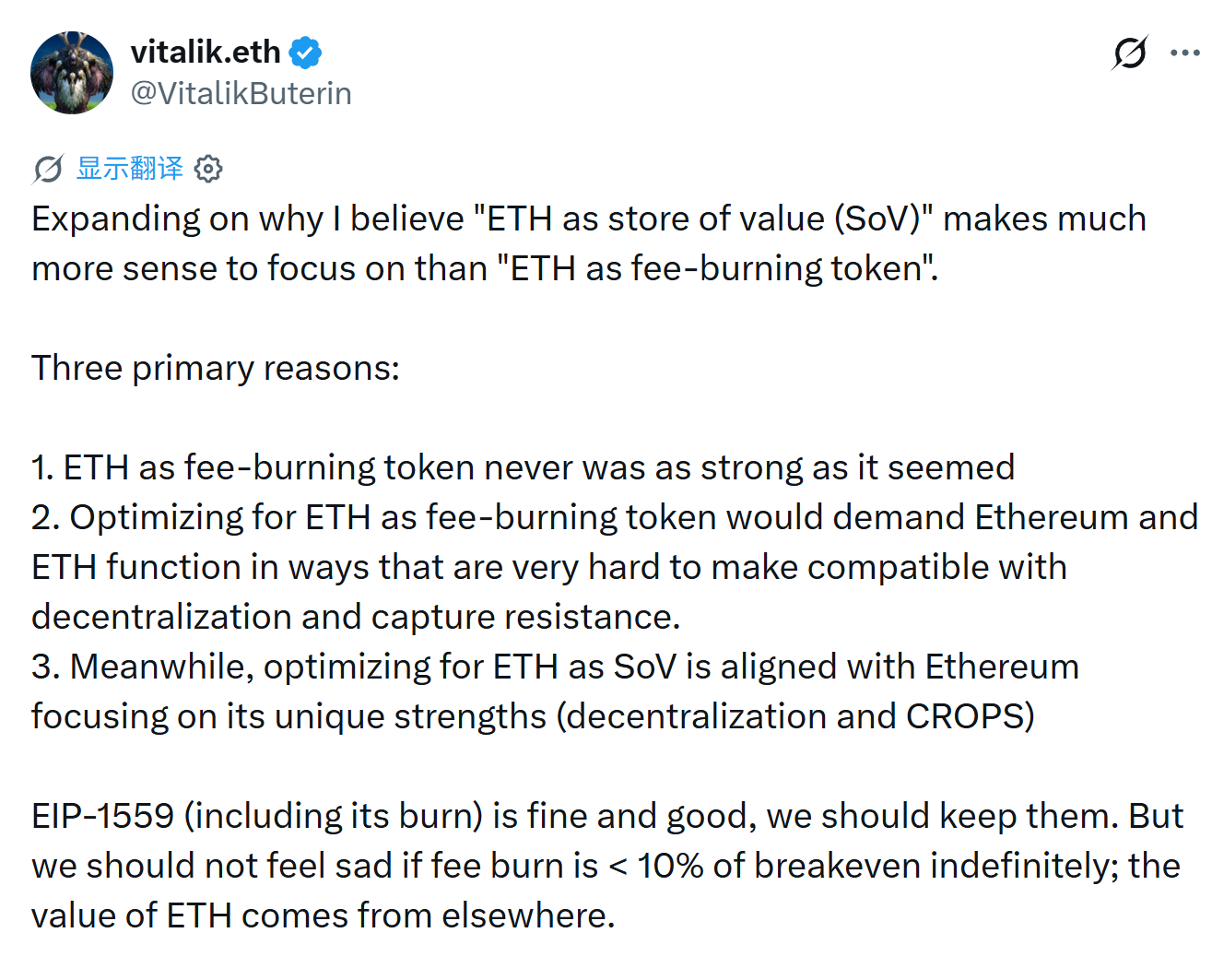
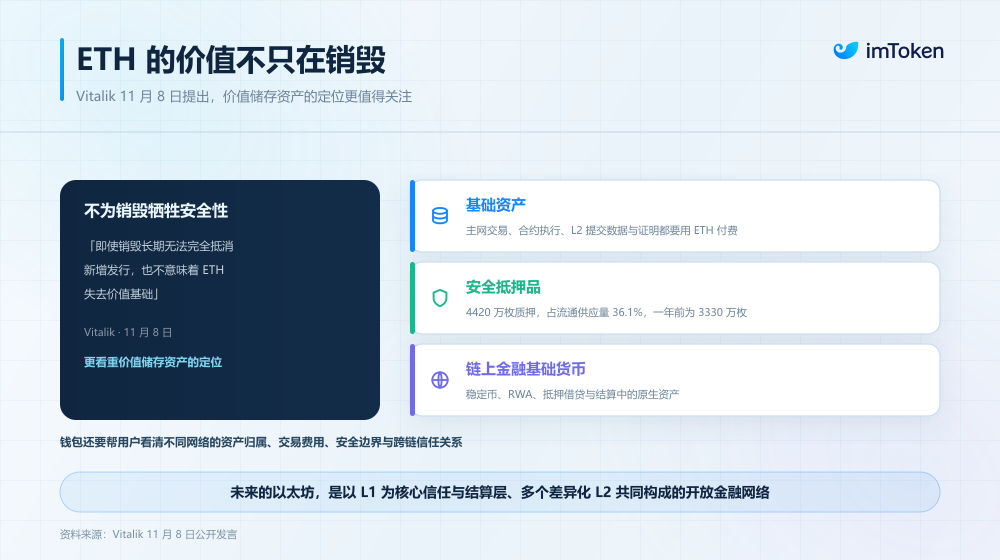
The article cites Vitalik Buterin’s view that ETH’s long-term value should not be judged chiefly by fee burn. He argued for retaining EIP-1559, while saying holders should not be disappointed even if, in a future scenario, burning offset less than 10% of break-even issuance. That figure was a hypothetical, not a reported current burn rate.
The distinction matters for this timeline: the reported L1 deployments and L2 wind-down announcements show changing infrastructure choices, not a measured change in ETH supply or a guaranteed outcome for its value.
Source: techflowpost.com (originally published 2026-11-12 09:19 UTC+8)